For lawyers, paralegals,
and legal professionals.

Here are just a few fictional legaltech startups that could’ve helped some of our favourite legal professionals.
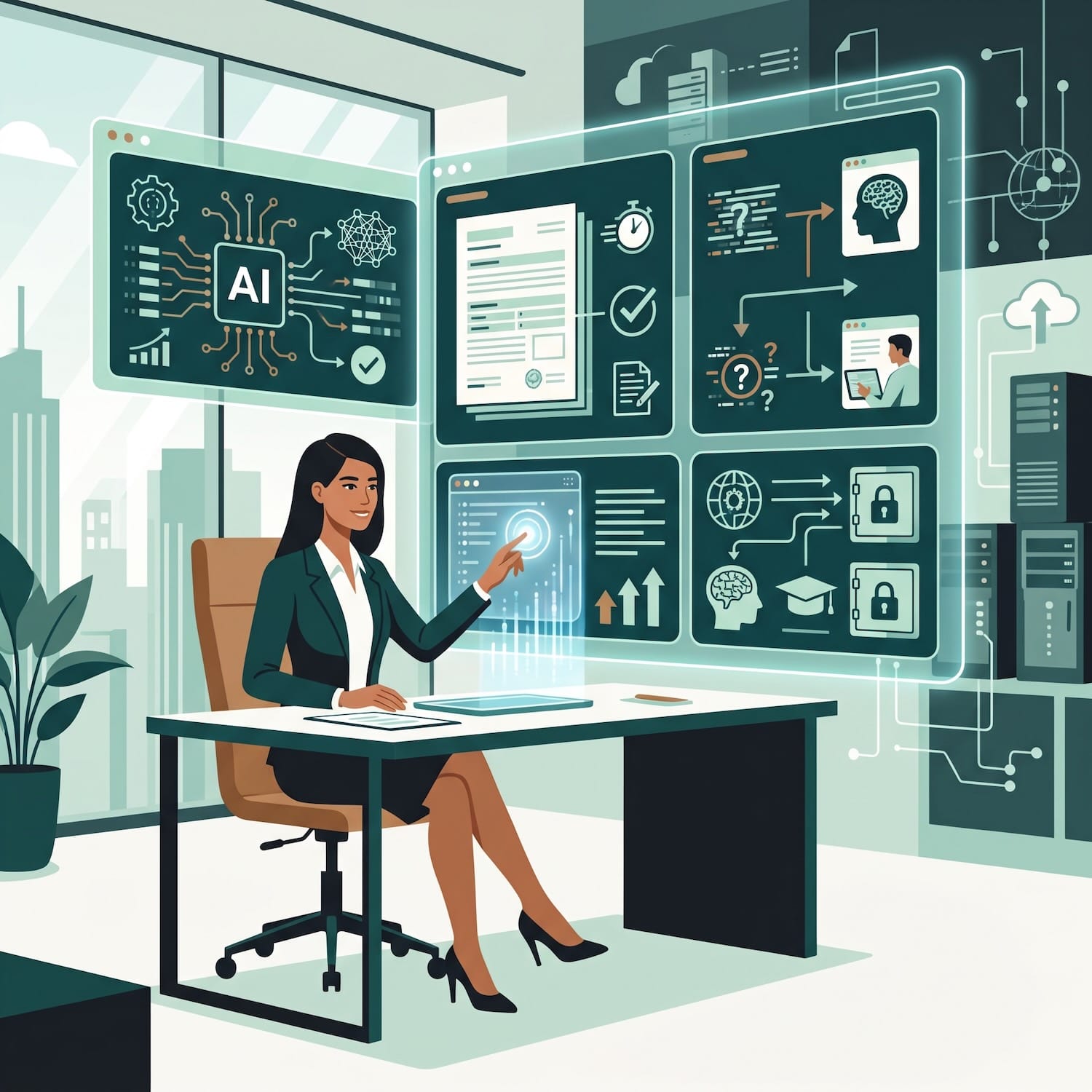
Legal dramas are known to exaggerate the chaos that law firms tend to face on a day-to-day basis. But they also highlight real-world workflow gaps that can stop actual law firms and other legal practices from getting things done. The fact of the matter is that emerging legal technology can bring order, clarity, and efficiency to the sometimes-messy world of legal work, making legal professionals more effective at their jobs. Fictional lawyers in shows like Suits, The Good Wife, and Boston Legal frequently encounter significant challenges in getting their work done – mostly because these challenges make for compelling viewing. That’s why, if these TV lawyers had had the benefits of legal technology, their work lives would be much more boring, but also much more ordered. Technology brings order to chaos, promoting clarity and helping achieve efficiency in legal settings. Here are just some of the ways that legaltech could’ve helped some of our favourite fictional lawyers. (Note: some of these examples are “just for fun”, while others are actually real tools that real legal professionals can use in their day-to-day work.)
Legal dramas offer us a window into a contrarian view of the legal sphere, where the demand for high drama results in plotlines with high stakes. As a result, the stakes that real firms face are rendered in greater detail in these shows. Furthermore, fictional law firms often face real-world challenges like document overload, client miscommunication, due diligence panic, and last-minute filings. These shows give us the perfect testing ground for seeing how legal technology can intervene and bring order to chaos.
The lawyers at Pearson Specter Litt regularly encounter a variety of challenges involving their cases. Perhaps one of the most substantial roadblocks the firm saw was when – spoiler alert – it was revealed that Mike Ross wasn’t a licensed lawyer, and in fact never graduated from college. Ross got hired at the firm by claiming he had graduated from Harvard Law School, a lie he was able to successfully perpetrate on his unsuspecting colleagues because of his eidetic memory – and with the help of both Harvey and Jessica.
Eventually, though, Ross’ deception is uncovered, and he is arrested for conspiracy to commit fraud for practising law without a license. He ultimately took a plea deal that saw him spend two years in federal prison. Ross’ practising law without a license caused significant problems for Pearson Specter Litt, including competitors targeting the firm.
If the team at the firm had had access to an AI-powered law license verification tool, they would’ve spotted Ross’ fraud instantly, and that storyline would’ve been resolved in about five minutes. This “No More Fake Lawyers” tool would flag background checks instantly, pulling data into a compliance dashboard for managing lawyers’ credentials. The closest thing that Canada has to such a tool is the Law Society of British Columbia Lawyer Directory, although this tool requires manual input to work.
Another fictional piece of legaltech that Pearson Specter Litt could’ve benefitted from is the Donna-as-a-Service Operations Hub. It’s well established in the series that Donna is the behind-the-scenes maestra who keeps the entire firm running, her expertise at getting things done making her an irreplaceable asset. If every law firm had a Donna, operations would be far easier. Enter: Donna-as-a-Service, or DaaS.
This piece of technology would centralize tasks, internal communications, scheduling, and document routing in one easy-to-use platform. Think Asana, but with document support. Better yet, it would even include a “What Would Donna Do?” AI-powered rules engine for triaging emergencies.
The law firm of Stern, Lockhart & Gardner in The Good Wife is renowned for its ability to handle high-pressure trials, but is also infamous for ethical violations. There’s no shortage of tech that could’ve helped Alicia Florrick and team during their time at the firm.
First and foremost, the firm would’ve benefitted from an ethics & conflict of interest auto-monitor. This piece of technology would automatically check for conflicts of interest and ethical issues across cases, clients, firms, and even opposing counsel. It would alert lawyers and partners to ethical landmines before they explode. This particular piece of technology could’ve saved Alicia from, well, a lot.
The firm also could’ve used an election season compliance tracker. This handy little tool would essentially serve as workflow automation for politically entangled lawyers, maintaining airtight compliance in places where optics matter. It would track compliance across campaigns, scanning for problematic PACs and donors, as well as automating scheduling for public appearances. The closest thing that actually exists is conflict-of-interest disclosure software; providers include NAVEX and Case IQ.
Finally, Stern, Lockhart & Gardner would’ve benefitted greatly from discovery automation and evidence chain tracking software. The Good Wife frequently revolves around trials with massive evidence dumps, where the team has to sift through a great volume of evidence in a short period of time to find the needle in their haystack. A discovery automation tool with support for intake, tagging, version control, and chain of custody tracking could’ve saved Alicia and her colleagues a number of headaches. eDiscovery tools like this do actually exist in the real world; Nextpoint and RelativityOne are just two examples.
Let’s face it, the firm of Crane, Poole & Schmidt isn’t exactly conventional. One of the firm’s lawyers, Alan Shore, has shown up to court wearing bunny ears. Denny Crane himself, with his fiery personality, is a walking HR violation. On at least one occasion he has fired a woman at the firm for being overweight, and he is known to keep firearms in his office. There are several tech tools that could’ve kept the team at Crane, Poole & Schmidt out of trouble (or at least made it harder for them to get into it).
First up, we have the Denny Crane Risk Analyzer litigation forecasting tool. This tool would simulate trial outcomes based on judge history, jurisdiction, legal strategy, and other factors, assessing win probability before the trial happens. It would also auto-suggest whether Denny should sit the trial out and let Alan take lead, given the factors at play. The closest real-world piece of software is LexisNexis’ Lex Machina legal analytics software, which can review the past behaviour of judges, counsels, parties, and more in order to improve litigation outcomes.
The firm also would’ve benefitted from reputation management software (like Birdeye) with a media response dashboard. The firm’s cases frequently spill into the press over the course of the show; reputation management software would provide them with a centralized hub for public statements, social listening, and even crisis protocols. Powered by a built-in AI, this tool would also provide sentiment analysis and media risk scoring – something the firm sorely needed.
Finally, Crane, Poole & Schmidt should have invested in workplace conduct & HR automation. In short, they desperately needed this innovation, with Denny Crane’s behaviour frequently crossing ethical lines. This tool would offer support for reporting, documenting, and even mitigating inappropriate conduct, with smart training modules designed to prevent exactly the sorts of activities that Denny and Alan get up to. The closest real-world tool that exists is Rippling, an HR automation software suite that automatically enforces company rules, flags risks, and makes recommendations based on company policies.
These fictional shows tell us a few things about real-world legaltech needs. Across all three shows, the lawyers involved often spend too much time on manual work, have poor visibility into various risks facing their firms, and tend to experience last-minute fire drills due to disorganization. The job of legal technology is to reduce chaos, improve compliance, and make legal work more human – something all of the shows listed above could’ve benefitted from.
Legal dramas tend to exaggerate for dramatic effect – but their workflow gaps are very real. The legaltech world today is designed to solve these problems before they become five-alarm fires, bringing law firm operations within executives’ control. You may not work at a TV law firm, but you likely know and understand the operational pains these fictional firms face.
One area where all of these fictional lawyers could’ve used help? Document automation. With Appara, you can automate document creation – building out complete document packages in minutes – while simultaneously automating workflows and entity management. Contact Appara today to start your FREE trial.
Engaging insights and the latest news, designed for legal professionals.